



Key Takeaways:
- Shock-absorbing casters are critical for protecting sensitive and high-value equipment from damage caused by vibration and impact.
- They combine strength and flexibility through advanced materials like elastomers, springs, or phenolic compounds.
- These casters enhance operational efficiency across various industries by reducing wear, noise, and maintenance costs.
- Choosing the right caster type ensures longer equipment life, better mobility, and improved safety in demanding environments.
Understanding the Importance of Effective Braking Systems
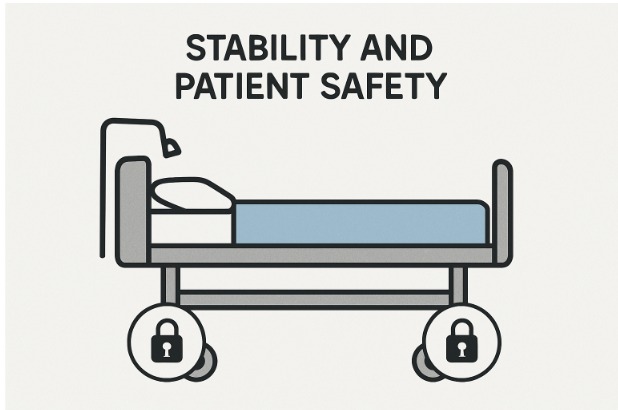
When it comes to hospital equipment, safety and security are paramount. Reliable brake systems are at the core of patient safety, ensuring hospital beds and stretchers remain stable and stationary during transfers and treatments. Accidental bed movements or rolling stretchers can pose significant hazards for patients and medical staff, particularly in fast-paced or emergency scenarios. Properly functioning brakes protect patients, streamline operational processes, and foster trust in caregiving environments.
The type of medical casters used on the bed or stretcher is crucial for stability and maneuverability in conjunction with the brake systems. Choosing the right combination can reduce the likelihood of medical errors, improve transport efficiency, and support overall patient well-being.
As hospitals face rising expectations for safety and efficiency, advancements in brake design have steadily improved patient handling procedures. A well-chosen brake system simplifies staff workflow and acts as a silent guardian for vulnerable patients. Facilities that invest in modern braking mechanisms experience fewer incidents, highlighting the essential nature of this decision in any healthcare environment.
Key Features to Consider in Brake Systems
- Firm Locking Mechanism: A strong brake is designed to ensure that even under weight shifts or emergency maneuvers, the bed remains completely stationary when locked. This is essential during procedures that require absolute stillness, such as surgeries or patient examinations.
- Ease of Use: Staff may need to engage or disengage brakes quickly, often using foot pedals. A good design will incorporate intuitive controls that minimize the need to bend, reach, or apply excessive force, significantly improving workflow efficiency.
- Durability and Reliability: Brake systems must withstand hundreds of activations and disengagements daily. Quality materials and sturdy mechanisms are non-negotiable in fast-paced environments that could otherwise prematurely wear out inferior equipment.
- Smooth and Consistent Operation: Ideally, engaging the brakes should not demand excessive strength or risk malfunction under pressure. Smooth performance ensures reliability, even in critical circumstances.
- Directional Locking: Advanced systems allow the bed or stretcher to move only in specified directions when needed. This is especially useful in crowded corridors, helping staff navigate tight spots precisely.
Types of Braking Mechanisms
- Centralized Locking Systems: A single control point locks or unlocks all the wheels simultaneously. This strengthens stability and simplifies operation, reducing the cognitive burden during high-pressure situations.
- Emergency Brakes: Engineered for rapid engagement, these brakes allow caregivers to immediately halt movement in unexpected scenarios, such as a stretcher rolling on an incline or abrupt stops in elevators.
- Anti-Rollback Features: Particularly relevant for stretchers and transport chairs, anti-rollback systems are dedicated to preventing reverse motion, preserving control even on sloped surfaces.
Compliance with Safety Standards
Compliance with industry-recognized safety standards is critical when selecting brake systems for healthcare environments. The ISO 60601-2-52 standard, for instance, outlines international safety benchmarks for medical beds, covering everything from structural integrity to user safety under clinical and home care conditions. Brake systems that comply with such standards are rigorously tested and vetted, giving healthcare organizations confidence that they are meeting contemporary safety requirements.
Ergonomic Considerations
Braking systems designed with ergonomics can significantly minimize physical strain on healthcare personnel. Studies have found that pedal location and handle design affect muscle fatigue and efficiency; foot-end pedals, for example, often contribute to faster engagement without forcing awkward postures. Ergonomic advancements such as soft-touch materials and easy-to-reach controls improve the staff experience and reduce the risk of repetitive strain injuries.
Maintenance Protocols for Optimal Performance
Proactive maintenance is essential to extend the lifespan of braking systems and ensure continued safety. Regular checks should focus on brake pads, locking mechanisms, casters, and hydraulic components for wear and tear. Training staff for emergency scenarios, including simulation drills, ensures everyone is prepared to assess and troubleshoot brake failures in real time, reducing response time during emergencies.
Technological Advancements in Brake Systems
Recent innovations are elevating brake system performance even further. Modern designs now feature antimicrobial coatings to minimize infection risks and automatically engage weight-sensing auto-brakes when patients attempt to leave bed unattended. These progressive technologies reflect a broader trend in healthcare equipment: merging safety with smarter, more adaptive systems that anticipate needs and effectively bridge gaps in patient protection.
Final Thoughts
Selecting the appropriate brake system for hospital beds and stretchers directly affects patient safety, staff satisfaction, and the overall efficiency of healthcare operations. By carefully considering locking mechanisms, ease of use, compliance with global safety standards, ergonomic design, and embracing new technology, facilities can ensure that every aspect of their patient transport and care infrastructure meets today’s highest safety and performance expectations. Prioritizing the right brake system is a crucial investment in the quality of care and the peace of mind of all who enter the facility.
