



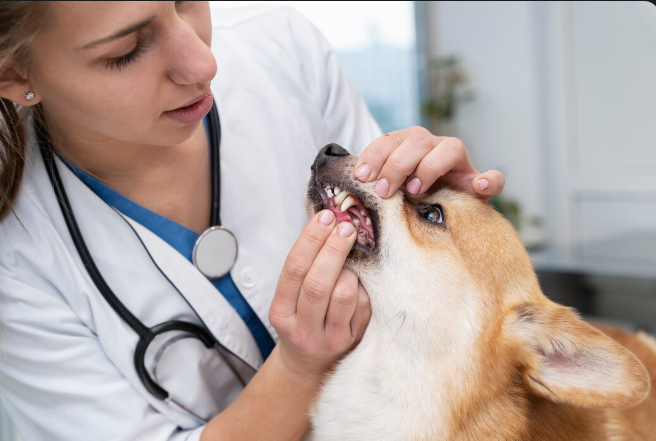
Dental care for pets often gets ignored until a crisis hits. You may watch your dog or cat eat and think everything is fine. Yet hidden pain can grow in the gums and teeth for years. Infections can spread through the body. That can harm the heart, liver, and kidneys. Regular dental checks at your veterinary clinic protect your pet from this slow damage. Clean teeth also prevent bad breath and tooth loss. You can start by asking your veterinarian in Dickinson , TX about routine dental exams, home brushing, and safe chew toys. These simple steps lower future costs and reduce emergency visits. They also protect your pet from quiet suffering. This blog explains why dental care matters, what to expect during a visit, and how you can help at home. You will see how small daily choices protect your pet’s comfort and long-term health.
Why your pet’s teeth matter more than you think
You see the outside of your pet’s mouth. You do not see the roots, bones, and gums. Disease often starts there. Plaque builds on teeth. Then it hardens into tartar. Bacteria move under the gumline. Gums pull away from teeth. Infection settles deep.
This slow process causes three types of damage.
- Constant mouth pain that your pet hides
- Tooth loss that makes chewing hard
- Bacteria spreading through the blood to other organs
The American Veterinary Medical Association explains that most dogs and cats have some dental disease by age three. That means many young pets already live with pain.
Common signs of dental trouble
Your pet will not complain with words. You need to watch for quiet signals. One sign alone might not prove a disease. A few together should push you to call your clinic.
- Bad breath that does not fade after brushing or dental treats
- Yellow or brown buildup on teeth
- Red, swollen, or bleeding gums
- Dropping food while chewing
- Chewing on one side only
- Pawing at the mouth or rubbing the face on furniture
- Less interest in dry food or toys
- Changes in mood or sleep from pain
You know your pet’s habits. Any sudden change in eating or play deserves attention.
What happens during a veterinary dental visit
A dental visit at your clinic follows clear steps. Each step protects your pet and gives you answers.
- First, the team reviews your pet’s history and daily habits
- Next, the doctor checks the mouth while your pet is awake
- Then, if needed, your pet receives blood work to check organ health
- After that, your pet goes under anesthesia for a full cleaning and X-rays
- Finally, the doctor cleans above and below the gumline and treats problem teeth
Anesthesia allows a full exam and cleaning. It also protects your pet from stress and pain. The American Animal Hospital Association shows that proper anesthesia makes dental care safer.
Clinic cleaning vs home care
Both clinic visits and home care matter. They work together. You cannot replace one with the other. The table below shows the key differences.
| Type of care | Who does it | How often | What it does | What it cannot do |
|---|---|---|---|---|
| Professional dental cleaning | Veterinary team | Every 6 to 24 months, based on exam | Removes tartar above and below gums. Takes X-rays. Treats or pulls damaged teeth. | Cannot keep teeth clean between visits. Cannot change diet or home habits. |
| Home tooth brushing | You | Daily or at least several times per week | Removes soft plaque. Slows tartar buildup. Keeps gums cleaner. | Cannot remove hard tartar. Cannot see deep pockets or root damage. |
| Dental diets and treats | You | As part of each day | Helps reduce plaque. Gives chewing exercise. Supports routine cleaning. | Cannot replace brushing. Cannot treat the existing disease. |
How poor dental health harms the whole body
Mouth disease does not stay in the mouth. Bacteria enter the blood through sore gums. Then they travel to other organs. Over time, this can strain the heart, liver, and kidneys.
Pets with dental disease may face
- Higher risk of heart valve infection
- Worse kidney function in older age
- Harder control of diabetes
- Weight loss from pain while eating
This chain of damage grows over the years. Early care breaks the chain. You protect your pet’s future body health by treating the mouth today.
Daily steps you can start at home
You can start simple. You do not need to change everything in one day. Pick three steps and build from there.
- Use a pet toothbrush and pet toothpaste. Brush once a day if you can. Even three times a week helps.
- Ask your clinic to suggest dental treats or diets tested for plaque control.
- Offer safe chew toys that do not crack teeth. Avoid hard bones or antlers.
- Lift your pet’s lips each week. Look for red gums, dark buildup, or broken teeth.
- Schedule a dental exam if your pet has not had one in the past year.
Start when pets are young if possible. Yet older pets still gain comfort and strength from cleaner teeth.
When to call your veterinary clinic right away
Some signs mean you should not wait.
- Refusal to eat or sudden change in appetite
- Heavy drooling or blood in saliva
- Loose or missing teeth you can see
- Swelling around the mouth or under the eye
- Crying, growling, or pulling away when you touch the face
These signs can point to severe infection or broken teeth. Quick care can stop serious damage and give fast relief.
Working with your veterinary team
You do not need to solve dental care alone. Your veterinary team can
- Explain your pet’s current mouth health in clear terms
- Create a cleaning schedule that fits your budget
- Show you how to brush in a calm way, your pet can accept
- Help you choose products that are safe and tested
Each visit builds on the last. Over time, you and your clinic form a plan that keeps your pet’s mouth strong.
Protecting comfort, saving costs, and honoring your bond
Dental care in veterinary clinics does more than clean teeth. It protects comfort. It lowers the risk of silent organ damage. It also cuts future costs by catching the disease early.
Your pet gives trust and loyalty every day. You can honor that bond by guarding their mouth health with the same care you give vaccines and food. Regular clinic dental visits, matched with steady home habits, keep your pet present, playful, and at ease for more years by your side.
