



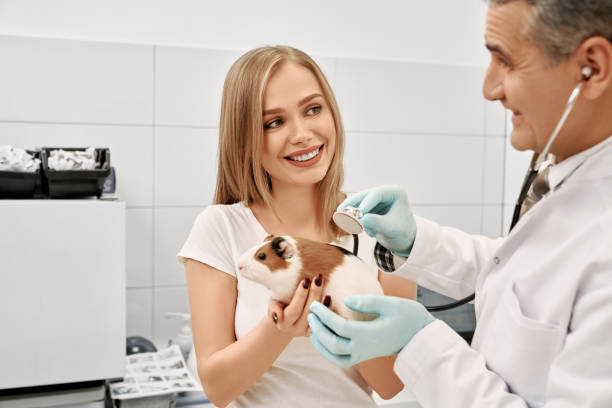
Regular wellness exams protect your small animal long before problems show. You may notice a limp or a change in appetite. Often the real cause starts much earlier. A routine visit gives your veterinarian in Dewitt a clear view of your pet’s health today. It also builds a record that helps catch trouble early. Each exam checks three simple things. How your pet looks. How your pet acts. How your pet’s body works on the inside. Early care often means shorter treatment, lower cost, and less pain. It also helps you plan food, exercise, and vaccines with confidence. Many quiet illnesses grow without clear signs. Regular exams turn guesswork into facts. They give you time to act while your pet still feels safe and calm. Your pet depends on you. These visits are one of the strongest ways you can return that trust.
1. Early detection of hidden disease
Small animals hide pain. This is a survival habit. By the time you see clear signs, the sickness may already be strong. A wellness exam gives your care team a chance to spot change before it spreads.
During a visit, the team may:
- Listen to the heart and lungs
- Check teeth, eyes, ears, and skin
- Feel the belly and joints
- Run simple blood or stool tests
These steps can show early kidney strain, heart trouble, infection, or weight loss that hides under fur. The Centers for Disease Control and Prevention explains that many pet diseases start quietly and can also affect people in the home. Early detection protects your pet and your family.
2. Strong parasite and vaccine protection
Fleas, ticks, and worms drain strength from small animals. Some pass sickness to people. Routine exams keep a steady shield in place. Your care team reviews your pet’s daily life. Then they match preventives to real risk.
At each visit, you can expect three key steps:
- Review of past vaccines and preventives
- Update needed shots based on age and lifestyle
- Plan for flea, tick, and heartworm control through the year
The American Veterinary Medical Association explains that routine exams are the best time to update vaccines and parasite control. You avoid gaps in protection. You also cut the need for emergency visits caused by preventable illness.
3. Better weight, food, and daily comfort
Small animals gain or lose weight fast. A few ounces can strain the heart, joints, and lungs. Regular exams track these shifts with simple numbers. Then you and your care team adjust food and activity before damage builds.
In one visit you can:
- Check weight and body shape
- Review what, when, and how much your pet eats
- Talk about safe treats and table food
This honest review protects daily comfort. It also supports steady energy and a clear mood. Many pets sleep better, move more easily, and feel more alert once food and weight come into balance.
Sample weight change and health risk for a 10 lb pet
| Weight status | Scale weight | Possible health impact |
|---|---|---|
| Underweight | 8 lb or less | Weak immune system. Poor wound healing. Low energy. |
| Healthy range | 9 to 11 lb | Steady joints. Better heart function. Stable mood. |
| Overweight | 12 to 13 lb | Joint strain. Early arthritis. Trouble with the heat. |
| Obese | 14 lb or more | High risk of diabetes. Heart stress. Shorter life span. |
4. Lower long-term costs and fewer emergencies
Many people fear the cost of regular exams. The truth often shows a different story. Ignored problems grow into crises. Crisis care brings higher bills, longer stays, and more fear for you and your pet.
Routine visits spread care across the year. They help you plan. You handle vaccines, blood work, and preventives in small steps. You avoid many late-night trips for sudden sickness that started months before.
Three common ways wellness visits cut costs include:
- Shorter treatments because problems are caught early
- Fewer hospital stays
- Less need for strong medicine or surgery
This steady pattern of care protects your budget and your peace of mind. You stay ready instead of surprised.
5. Stronger bond and safer home
Each wellness visit supports trust between you, your pet, and the care team. Your pet learns that the clinic is a place for calm touch, treats, and care. This reduces fear when sickness does strike.
Routine exams also protect everyone in the home. Small animals can carry germs that pass to people. Regular checks, vaccines, and parasite control lower this risk. This is especially important for children, older adults, and people with weak immune systems.
Three quiet but real gains from regular exams are:
- Earlier comfort for your pet when change or pain starts
- Clear answers to your questions about behavior and care
- More trust in your own choices for your pet’s health
How often should you schedule a wellness exam
Most healthy adult small animals need a wellness exam once a year. Young, old, or sick pets often need visits every six months. Some need checks even more often. Your care team will suggest a plan based on age, breed, and medical history.
To stay on track, you can:
- Book the next exam before you leave the clinic
- Set reminders on your phone or calendar
- Keep records of weight, appetite, and behavior changes between visits
Regular wellness exams are not extra. They are core care. They protect your small animal’s comfort, your family’s safety, and your own sense of control. When you schedule and keep these visits, you honor the trust your pet gives you every day.
