



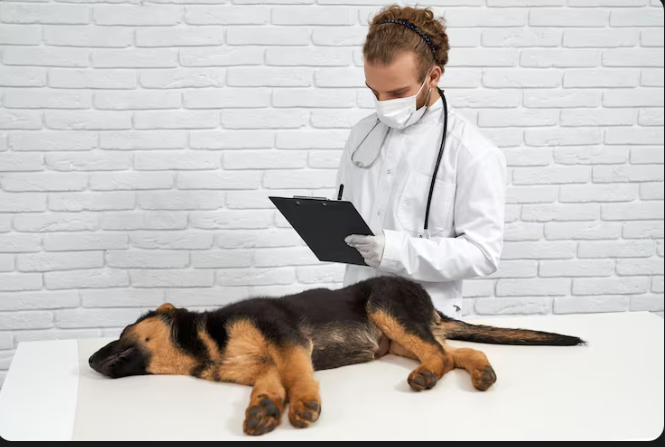
You might be looking at your pet right now, wondering if you are doing enough. Maybe a small change has caught your eye. They are sleeping more, eating a little less, or just not acting like their usual self. Or maybe everything seems fine, and the reminder postcard for a wellness visit with a **veterinarian in New Milford** is sitting on your counter, and you are asking yourself if it is really necessary this year.
If that is where you are, you are not alone. Many caring pet owners quietly wrestle with the same questions. You want to be responsible without overreacting. You want to protect your pet without stretching your budget more than you have to. It can feel like you are guessing, and that guessing gets exhausting.
Here is the simple truth. Pet wellness exams are not “just a checkup” or a quick chance to refill vaccines. They are your best way to catch problems early, protect your family’s health, and give your dog or cat a longer, more comfortable life. A wellness visit is less about finding something wrong and more about staying ahead of what might go wrong later.
So, where does that leave you? You do not need to become a medical expert. You just need to understand what these visits are really doing for your pet and for you, beyond the ten or fifteen minutes in the exam room.
Why does my pet need wellness exams if they “seem fine”?
Think about the last time you noticed your pet was sick. It probably did not start with dramatic symptoms. It might have been a skipped meal, a quieter walk, or a little weight change that you only saw after a few weeks. By the time something looks obvious on the outside, it has usually been building inside for a while.
That is the heart of the problem. Animals are very good at hiding discomfort. A dog with early heart disease can still chase a ball. A cat with kidney issues may still jump on the counter. You see the surface. A routine pet wellness visit looks underneath.
During a wellness exam, a general veterinarian listens to the heart and lungs, checks teeth and gums, feels the abdomen, evaluates joints, and looks at the skin, eyes, and ears. If needed, they may recommend blood work, urine tests, or stool tests. This is not “extra.” It is how conditions like heart disease, kidney trouble, diabetes, arthritis, and early infections are caught before they become emergencies.
Because of this, skipping visits to a general veterinarian can create a slow, hidden kind of risk. The risk is not just that your pet might get sick. The risk is that you will only find out when the illness is advanced, the treatment is harder on your pet, and the cost hits much harder on you.
How do wellness exams protect both my pet and my family?
It is easy to think of wellness exams as something that only affects your dog or cat. In reality, they touch your whole household. Many diseases in pets never spread to people, but some do. The Centers for Disease Control and Prevention explains how certain infections in pets can affect humans, especially children, older adults, and people with weaker immune systems. You can read more about that in their guidance on keeping people healthy around pets.
So what does this have to do with a “simple” wellness exam? Quite a lot. Regular exams often include parasite checks, vaccines, and discussions about flea, tick, and heartworm prevention. These are not just about keeping your pet comfortable, though that matters deeply. They also reduce the risk of certain parasites and infections entering your home and affecting the people you care about.
Heartworm prevention is a good example. The U.S. Food and Drug Administration explains why year-round prevention is essential to avoid a serious, sometimes deadly disease that is transmitted by mosquitoes. Skipping prevention because your pet “stays inside” can still leave them exposed, since mosquitoes can get indoors. You can find more about this in their article on why “an ounce of prevention” really matters for protecting your pet from heartworms.
This is where wellness exams become more than a quick physical. They are a chance to check whether your pet’s vaccines are current, whether parasites are under control, and whether your home routines are truly keeping everyone safe. You are not just paying for a doctor to look at your animal. You are buying peace of mind for your entire household.
What about the cost and stress of these visits?
It is honest to say that wellness exams cost money and can be stressful for pets and people. Maybe your cat cries in the carrier or your dog shakes at the door. Maybe you are worried the veterinarian will “find something” you cannot afford to fix. That fear is very real.
This is where the long view matters. Preventive care almost always costs less than crisis care. For example, routine blood work may reveal that your older dog’s kidneys are beginning to struggle. With early changes in diet and medication, you might avoid a sudden hospitalization later. A routine dental check could catch gum disease before it turns into multiple extractions under anesthesia.
Government resources on animal care planning, such as this federal guide on pet health and disaster planning, emphasize that building regular care into your schedule and budget is far easier than scrambling during a crisis. You can see how they frame advance planning for pets in this official pet care preparedness document.
So yes, there is a cost. There may also be some short-term stress for your pet. The tradeoff is fewer scary surprises, fewer middle-of-the-night emergencies, and a clearer sense of what your pet needs now, not when they are already suffering.
How do wellness exams compare to “wait and see” or urgent visits?
When you are trying to decide how much care is “enough,” it can help to compare the options side by side.
| Approach | What it looks like | Short-term impact | Long-term impact |
|---|---|---|---|
| Regular wellness exams with a general veterinarian | Yearly or twice-yearly visits, vaccines, lab work when needed, parasite prevention | Predictable cost, some travel stress for the pet, clear information | Earlier diagnosis, lower risk of emergencies, better quality of life, usually lower lifetime cost |
| “Wait and see” until symptoms are obvious | Skipping routine visits, going in only when something looks wrong | No immediate cost, but ongoing worry and guessing about symptoms | Higher chance of advanced disease, more invasive treatment, higher emotional and financial burden |
| Urgent or emergency-only care | Rushed visits when the pet is very sick or injured | High stress, high cost, limited time to decide on treatment | Greater risk to the pet’s life, potential regret about “if only we had known sooner” |
When you see the options this way, routine pet checkups are less about doing “extra” and more about choosing the path with fewer painful surprises. The goal is not to turn your pet into a medical project. It is to keep their health predictable and manageable.
What can you do right now to protect your pet’s future?
You do not need to change everything overnight. A few steady steps will carry you a long way.
1. Schedule a wellness exam based on your pet’s age and history
If your pet has not seen a veterinarian in the last year, that is your starting point. For seniors or pets with chronic issues, ask whether twice-yearly visits make sense. When you call, mention any subtle changes you have noticed, even if they seem small. Eating, drinking, bathroom habits, energy level, and behavior all give clues.
2. Prepare questions and observations before the visit
It can be hard to remember everything in the exam room. Write down your questions ahead of time. You might ask about weight, diet, exercise, dental care, parasite prevention, and vaccines. Note any changes like coughing, limping, bad breath, or new lumps. A wellness exam is a partnership. The more you share, the more your veterinarian can help you shape a clear plan.
3. Build a simple yearly health routine
Think of your pet’s care as a yearly cycle instead of one-off events. Mark the next wellness visit on your calendar as soon as you leave the clinic. Set reminders for monthly preventives. Keep a small folder, digital or paper, with vaccine records, test results, and notes on past illnesses. This kind of quiet organization takes some pressure off your memory and makes it easier to spot patterns over time.
Bringing it all together for you and your pet
You care about your pet. That is why you are reading this and why you are weighing what is truly necessary. A wellness exam is not just a box to check. It is how you turn that care into concrete protection for an animal who cannot speak up and say, “Something feels wrong.”
By choosing regular care with a trusted general veterinarian, you are choosing fewer unknowns, fewer emergencies, and more good days with the companion who shares your home. You do not have to do it perfectly. You only have to keep showing up, asking questions, and staying just one step ahead of trouble.
Your pet does not need perfection. They need you, present and proactive, using tools like pet wellness exams to keep their future as bright and comfortable as possible.
