



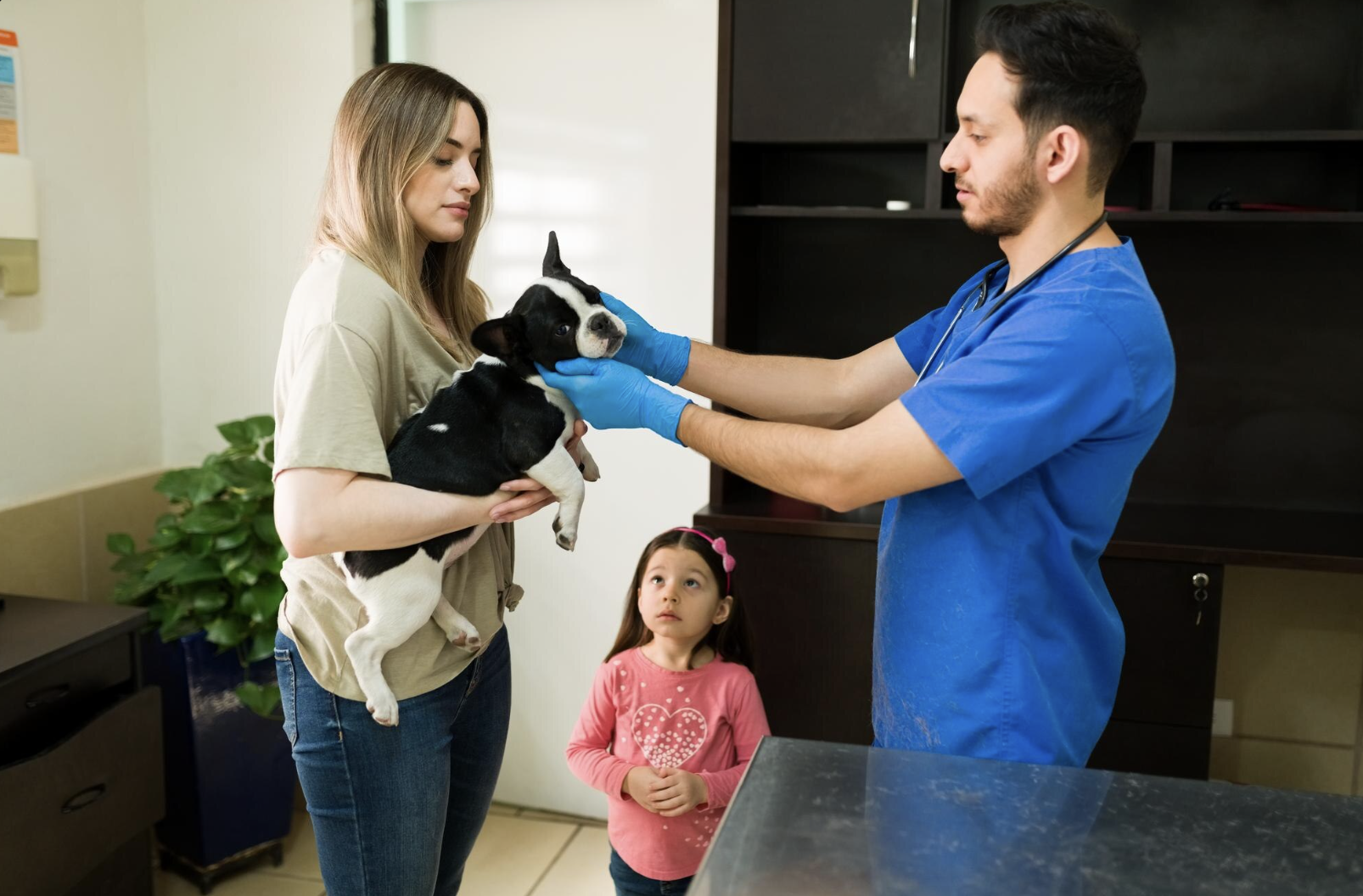
You love your pet. You worry when something feels off. Yet many owners feel lost when it comes to daily care, early warning signs, and hard choices about treatment. Veterinarians see this confusion every day. They also see the cost of small problems that grow because no one knew what to watch for. This blog explains how vets teach you to protect your pet through clear talk, simple habits, and honest guidance. You will see how they explain vaccines, nutrition, and behavior in plain language. You will also learn how they walk you through pain management for pets in Maple Valley, WA so you do not feel helpless when your pet hurts. With the right support, you can notice changes sooner, ask sharper questions, and stand up for your pet’s needs. Your vet’s knowledge only helps your pet when it becomes your knowledge too.
How Vets Turn Medical Terms Into Clear Steps
Medical words can feel cold. Your vet knows this. So they turn complex issues into short, clear steps you can follow at home.
During each visit, many vets follow three simple moves.
- They say what is happening in plain words.
- They show you what to look for at home.
- They give you a short written plan you can keep.
For example, instead of saying “periodontal disease,” your vet may say, “Your dog has infection in the gums. It hurts when they chew. You may see blood on toys. Here is what you can do today.” That direct style cuts through fear and shame. It gives you a clear path, not a cloud of doubt.
Teaching You To Spot Trouble Early
You see your pet every day. That makes you the first line of defense. Vets teach you to use that power with simple checklists and patterns.
They often focus on three warning groups.
- Changes in eating and drinking
- Changes in movement and energy
- Changes in bathroom habits or weight
For dogs and cats, the Centers for Disease Control and Prevention (CDC) stresses routine checks of appetite, stool, and behavior. Your vet may walk you through real examples. They may ask, “What does a normal day look like for your pet?” and then help you notice what “not normal” might be. That way, you do not wait until a crisis to seek help.
Using Routine Visits As Teaching Time
Wellness visits are not just for shots. They are classes for you.
During a routine exam, your vet often covers three core topics.
- Vaccines and parasite control
- Weight and nutrition
- Teeth and gum care
They may show you how to feel your pet’s ribs, check gums, or clean ears. Many clinics hand out short guides or fridge magnets with safe foods, toxic foods, and emergency numbers. Some also point you to trusted online sources, such as the American Veterinary Medical Association’s pet owner resources. This mix of spoken and written guidance helps the information stick.
How Vets Explain Vaccines, Parasites, and Risk
Shots and preventives can feel confusing. Vets cut through that by linking each product to a real threat your pet may face.
They may explain three simple points for each vaccine or medicine.
- What it protects against
- How your pet can catch that disease or parasite
- What happens if you skip protection
For example, your vet might say, “This heartworm pill protects against worms spread by mosquitoes. Without it, worms can grow in the heart and lungs. You may not see signs until your dog is very sick.” That kind of clear cause and effect helps you see the reason behind each choice.
Nutrition And Weight: Simple Rules You Can Use
Food choices can overwhelm anyone. Vets help by giving short rules instead of long lectures.
Many use three guiding questions.
- Is this food complete and balanced for your pet’s life stage
- Is the portion size right for their weight and activity
- How many treats do you give in a normal day?
They may show you a body condition chart so you can judge weight at home. They may also explain that some “people foods” cause serious harm. Clear examples stay in your mind long after the visit.
Teaching Pain Recognition And Comfort
Pets often hide pain. Vets know this causes silent suffering. So they spend time showing you how pain looks in real life.
They may ask you to watch for three common signs.
- Changes in movement such as limping or slow stairs
- Changes in mood such as hiding or snapping
- Changes in grooming or posture, such as licking one spot
During talks about pain control, your vet may explain safe medicines, unsafe human drugs, and comfort steps you can use at home. For local owners, guidance on pain management for pets in Maple Valley, WA often includes joint support, physical activity plans, and follow-up checks. This shared plan lets you act fast when your pet hurts.
Examples Of Vet Education Topics
The table below shows how vets often turn complex subjects into simple lessons for you.
| Topic | What Worries Owners | How Vets Teach You | Simple Home Action |
|---|---|---|---|
| Vaccines | Fear of side effects or “too many shots” | Explain disease risk and real side effect rates | Keep a vaccine card and follow the schedule |
| Weight | Not sure if pet is too heavy | Use body condition charts and show how to feel ribs | Measure food with a cup and limit treats |
| Dental care | Bad breath and fear of anesthesia | Show gum infection signs and explain cleaning steps | Brush teeth or use vet-approved dental chews |
| Pain | Worry about aging pets suffering in silence | List behavior changes that signal pain | Track changes in a notebook and call early |
| Behavior | Biting, scratching, or house soiling | Link behavior to fear, pain, or stress | Use vet-suggested training and safe spaces |
How You Can Ask Better Questions
Your voice matters in every visit. Vets encourage you to speak up. They know that clear questions lead to better care.
You can use three simple steps.
- Write down your top three concerns before the visit.
- Ask the vet to repeat or draw anything you do not understand.
- Before you leave, repeat the plan in your own words.
This last step lets the vet correct any gaps. It also gives you a memory of the plan in plain language that fits your life.
Building A Long Term Partnership
Strong pet care grows over time. Each visit adds to your skill. Each question sharpens your sense of what your pet needs.
When you treat your vet as a teacher, not just a fixer, your pet gains steady protection. You learn to act early. You feel less fear when problems come. Most of all, your pet gains a steady advocate. That is you, informed and ready to act.
