



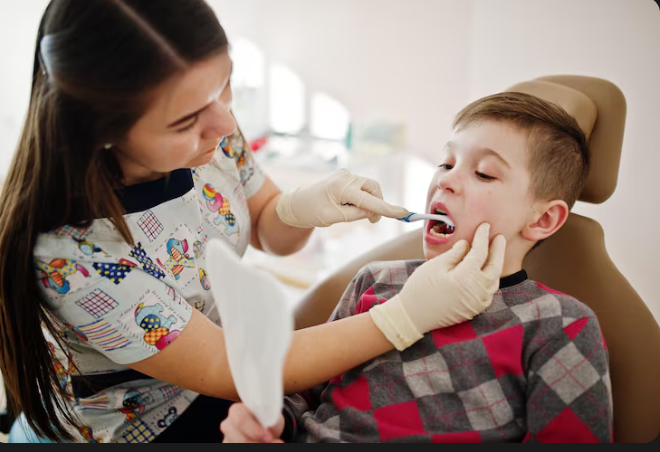
You might be looking at your child’s smile and wondering if what you see is “normal” or if something is quietly brewing beneath the surface. Maybe a tooth looks a little turned, maybe your child struggles to bite into a sandwich, or maybe their classmates have started braces and you feel a twinge of worry that you are late to the game. A consultation with a Peekskill pediatric dentist can help you understand what’s going on and what, if anything, needs to be done.
That mix of concern and confusion is very common. You do not want to overreact, but you also do not want to miss a window when treatment could be easier, shorter, and more comfortable. Because of this tension, you may find yourself searching for clear signs that it is time to talk with a pediatric dentist and orthodontist.
Here is the short version. There are three big red flags that suggest your child may need an orthodontic checkup. First, visible crowding, gaps, or jaw misalignment. Second, difficulty chewing, biting, or speaking clearly. Third, habits or symptoms like mouth breathing, snoring, or thumb sucking that hang on longer than they should. When you notice these, an early orthodontic evaluation can often prevent bigger problems later and give your child a healthier, more confident smile.
Why early orthodontic concerns feel so stressful for parents
It often starts small. A baby tooth does not seem to fall out on time, or a new adult tooth comes in at an odd angle. A teacher mentions that your child’s speech sounds a bit “mushy.” A grandparent comments that your child’s chin looks a little set back. None of this means something is wrong, yet it plants a seed of doubt that is hard to ignore.
Then the questions begin. Is this just a phase that will fix itself when the rest of the teeth come in. Will my child need braces for years. How much will it cost. Could I have caught this earlier. These are heavy questions, especially when you care deeply about your child’s comfort and self esteem.
You are not alone in this. Pediatric orthodontic questions are so common that professional groups like the American Association of Orthodontists have created a family orthodontic health guide just to walk families through the basics. The good news is that you do not have to know all the answers. You only need to know when it is wise to ask for expert eyes on your child’s bite and jaw growth.
Sign 1: What if your child’s teeth look crowded, spaced, or “off” when they bite?
One of the most obvious signs your child may need an orthodontic checkup for kids is how their teeth look and fit together. Some children develop straight teeth that meet well. Others show early signs that the bite is not lining up.
Common things parents notice include:
• Overbite. The upper front teeth stick out far over the lower teeth.
• Underbite. The lower front teeth sit in front of the upper teeth.
• Crossbite. Some upper teeth bite inside the lower teeth, often causing uneven wear or jaw shifting.
• Open bite. The front teeth do not touch when the back teeth are together, so it is hard to bite foods like sandwiches.
• Crowding or big gaps. Teeth look twisted, overlap, or have large spaces between them.
On their own, these may seem like cosmetic worries. In reality, they can affect chewing, speech, jaw growth, and even how your child feels about their appearance. According to resources like the AAO’s child orthodontics overview, many of these patterns are best checked around age 7, when a mix of baby and adult teeth are present.
So where does that leave you. If your child’s smile looks “off” to you, it is not overreacting to schedule an evaluation with a pediatric dentist and orthodontist. You are simply asking a specialist to tell you whether this is a normal variation or something that deserves treatment.
Sign 2: Is your child struggling to chew, bite, or speak clearly?
Sometimes the need for an orthodontic evaluation is less about how the teeth look and more about how the mouth works day to day. This is where functional signs matter.
Ask yourself a few questions.
• Does your child avoid certain foods because they are “too hard to bite” or “hard to chew.”
• Do you hear extra clicking or shifting when they chew.
• Do they struggle to say certain sounds, or has a speech therapist mentioned a possible bite issue.
• Do they complain that their jaw feels tired or sore after eating.
These can all be signals that the teeth and jaws are not working together smoothly. According to resources such as the Stanford Children’s guide to orthodontics and braces, treating these functional issues can often improve comfort, speech, and confidence, not just appearance.
Imagine a child who cannot bite into an apple without pain, or who avoids smiling in class photos because they are embarrassed by their teeth. Over time, that discomfort seeps into daily life. An orthodontic evaluation can uncover what is behind those struggles and whether early treatment could help.
Sign 3: Are habits, snoring, or mouth breathing hanging on too long?
Some of the most overlooked signs are not about teeth at all. They are about habits and breathing patterns that shape how the jaws grow.
Consider:
• Thumb or finger sucking that continues well past age 4 or 5.
• Long term pacifier use.
• Regular mouth breathing during the day.
• Snoring, restless sleep, or sleeping with the mouth open.
These habits can change the way the upper jaw forms, create open bites, or narrow the palate. They can also be connected to airway or nasal issues. This is one reason many experts recommend an early orthodontic evaluation for children when these signs appear. It is not just about straight teeth. It is about guiding growth while the bones are still flexible.
If you see your child’s lips parted at rest most of the time, or you still catch them sucking a thumb late at night, that is a gentle signal that a professional opinion could be helpful.
How do early checks compare to “waiting and seeing”?
Parents often ask whether they should schedule an evaluation now, or wait until all the adult teeth are in. It can feel like a choice between acting too soon and acting too late.
The truth is that an orthodontic evaluation does not automatically mean braces right away. Many children are simply monitored until the timing is right. Still, there are real differences between early evaluation and a “wait and see” approach.
| Approach | What It Usually Means | Possible Benefits | Possible Risks |
| Early orthodontic evaluation (around age 7) | Specialist checks growth, teeth, jaws. May suggest early guidance or simple appliances. | Can guide jaw growth. May shorten or simplify later treatment. Problems are caught before they worsen. | May involve short early treatments that still need follow up later. |
| Waiting until teen years | No evaluation until most adult teeth are in, often 11 to 13 years old. | Fewer appointments in younger years. Some mild issues do improve on their own. | Severe crowding or jaw issues may be harder to correct. Treatment can be longer or more complex. |
| Ignoring signs completely | No orthodontic opinion even with clear signs of trouble. | No time or cost in the short term. | Higher chance of ongoing pain, tooth wear, or self esteem issues. Fewer options to guide growth. |
Seeing these options side by side can make one thing clear. The safest path is usually not guessing at home. It is getting informed, early, so you can choose what is right for your child with real information in hand.
Three steps you can take right now
1. Watch your child’s bite and habits for one week
Spend a few days quietly observing. Notice how your child’s teeth meet when they gently close. Watch them chew tougher foods like carrots or meat. See whether their lips stay parted at rest, or if they breathe through their mouth at night. Jot down anything that seems off, even if you are not sure it matters. These notes will be useful if you visit a pediatric dentist and orthodontist.
2. Schedule a baseline orthodontic evaluation
If your child is around age 7 or older, or if you recognize any of the signs described, consider booking an evaluation. Many offices offer an initial consult that focuses on education and planning. You can ask about timing, costs, and what to watch for over the next few years. Even if the answer is “not yet,” you gain peace of mind and a professional set of eyes on your child’s growth.
3. Ask clear questions about treatment options and timing
When you meet with the specialist, bring your notes and ask direct questions. What is the main problem you see. What happens if we do nothing for now. What are the simplest treatment options. How long might treatment last. Are there habits we can work on at home to help. A good pediatric dentist and orthodontist will welcome these questions and explain your choices in plain language so you can make decisions without pressure.
Moving forward with confidence and care
Worrying about your child’s teeth and jaw is not shallow. It is a sign that you care about their comfort, their health, and the way they see themselves. When you notice the three signs above, you are not being anxious. You are being attentive.
An early orthodontic evaluation for kids can turn that worry into a clear plan. Sometimes that plan is simple monitoring. Sometimes it includes early treatment that protects your child’s smile for the long term. Either way, you do not have to figure it out alone. Reaching out to a trusted pediatric dentist and orthodontist is a strong, thoughtful step toward giving your child the healthy, confident smile they deserve.
