



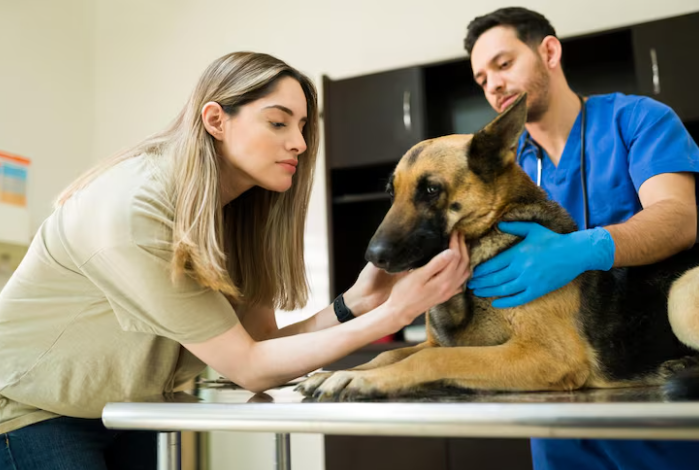
Choosing a veterinary clinic is a hard decision. Your pet depends on you to find care that is safe, clean, and honest. An accredited clinic gives you proof, not promises. Independent experts review the clinic on a regular schedule. They check how the staff treats your pet. They look at records, medicine storage, and emergency plans. They confirm that the clinic follows strict standards every day. This means fewer mistakes. It means clearer answers when you feel scared or rushed. It also means your pet gets steady care from checkups through surgery. If you are looking for an Ashland veterinarian, accreditation can guide your choice. You will know the clinic has met tested benchmarks. You will not have to guess about quality. In this blog, you will see four clear benefits that help you protect your pet and feel more at ease.
1. You get safer care every visit
Accredited clinics follow clear rules for safety. These rules cover three basic needs.
- Clean rooms and tools
- Trained staff who follow clear steps
- Strong plans for emergencies
Accrediting groups use current science from trusted sources such as the Centers for Disease Control and Prevention. You see the result in daily care. Staff washes hands the right way. They use fresh needles every time. They label medicine in plain words. They store vaccines at the right temperature. They track each dose.
This protects your pet from infection. It also protects your family from diseases that can pass from animals to people. A safe clinic lowers the chance of a bad reaction, a missed step, or a mix-up with drugs. You may not see each step. You still feel the outcome through steady care and fewer shocks.
2. You get clear, honest communication
When your pet is sick, fear rises fast. You need calm, plain language. Accredited clinics must show how they speak with you. They use set forms, consent sheets, and visit notes. They explain choices in short, clear terms.
In an accredited clinic, you can expect three things.
- Staff listen to your concerns without rushing you
- They explain tests and treatments in plain words
- They share costs before they start care
This kind of clear talk lowers stress. It helps you make decisions that match your values and budget. It also helps you spot problems early. When you understand what is normal for your pet, you notice a change. You then feel ready to call the clinic and ask for help.
Accredited teams also keep strong records. Each visit, test, and shot goes into your pet’s file. That record follows your pet through the clinic. It reduces guesswork. It supports clear answers when you ask hard questions about pain, side effects, or end-of-life care.
3. Your pet gets steady, well-planned treatment
Pets need care across a full life span. That includes three main stages.
- Early care such as vaccines and spay or neuter surgery
- Adult care such as dental cleanings and weight checks
- Senior care, such as pain control and screening for disease
Accredited clinics must show that they follow current care plans for each stage. They use trusted guidance from sources such as veterinary schools and public health groups. One useful example is the U.S. Food and Drug Administration Center for Veterinary Medicine, which shares safety tips on pet drugs and food.
This kind of structure means your pet does not get random care. You see a plan. You know when the next checkup is due. You know which shots still protect your pet and which may no longer help. You also see how diet, activity, and dental care all connect.
When a crisis hits, your pet’s record and care plan guide quick action. The team knows past test results and past drug use. They can spot change fast. That can save time, money, and in some cases a life.
4. You gain trust, choice, and peace of mind
Accreditation is also about how you feel when you walk through the door. You want to trust that each person in the clinic respects your pet and your role. You also want choice. You want to know you can ask for a second view, a payment plan, or a change in treatment.
Accredited clinics must show three signs of respect.
- They invite your questions and answer without blame
- They post policies where you can see them
- They welcome feedback, even hard feedback
That kind of culture protects you. It also protects staff from burnout. People who feel supported stay sharp. They stay present with your pet. Your pet senses this and stays calmer in the exam room.
Trust also grows when you see proof. Accreditation gives you a clear mark that an outside group has checked the clinic. It is not just a claim on a sign. It is a status your clinic must earn and keep through repeated reviews.
How accredited clinics compare
Each clinic is unique. Still, certain patterns often stand out when you compare accredited and non-accredited clinics. The table below shows common differences.
| Feature | Accredited clinic | Non accredited clinic |
|---|---|---|
| Safety checks | Written safety steps reviewed on a set schedule | Safety steps vary by staff and shift |
| Record keeping | Standard forms and clear visit notes | Mixed styles, gaps in history are more common |
| Staff training | Ongoing training with proof of completion | Training handled as time allows |
| Emergency planning | Written plans for fire, power loss, and patient crisis | Plans may be informal or not shared with all staff |
| Client communication | Plain language handouts and cost estimates | Verbal instructions more common, fewer handouts |
| Quality review | Outside review on a regular schedule | Self review only |
How to choose an accredited clinic for your family
You can take three simple steps when you start your search.
- Ask if the clinic is accredited and by whom
- Request a short tour of the lobby, exam room, and treatment area if allowed
- Watch how staff speak with you and with each other
Trust your sense. If you feel rushed, confused, or dismissed, keep looking. A strong clinic welcomes your questions. They want you to understand how they protect your pet.
Your pet counts on you to choose a safe place for care. Accreditation gives you a clear way to judge clinics. It supports safer care, clearer talk, steady treatment, and deeper trust. When you choose an accredited clinic, you protect your pet and your own peace of mind.
